
Urban infrastructure is under pressure. In Jakarta, Bandung, and other cities, uncollected waste clogs drainage, disrupts mobility, and compounds flood-related losses reaching into trillions of rupiah annually.
Highlights
- • Urban infrastructure is under pressure. In Jakarta, Bandung, and other cities, uncollected waste clogs drainage, disrupts mobility, and compounds flood-related losses reaching into trillions of rupiah annually.
- • Indonesia's waste challenge is not about volume but it's about system design. Despite low per capita waste generation, institutional failure has led to one of the world's highest rates of mismanaged waste.
- • Current models treat waste as a sunk cost which creates missing opportunities. Local governments allocate minimal budgets and lack the tools to manage waste as a strategic service sector.
- • Regulatory enforcement remains weak. While frameworks exist, monitoring, coordination, and institutional accountability are fragmented across levels of government.
- • The nation is missing an important industry in its ecosystem, creating an untapped economic value. With better systems and market structure, Indonesia's waste sector could generate USD 3–4 billion annually in recoverable materials, boost revenues, and create formal jobs.
- • The informal sector is over-relied upon, yet under-supported. Integration and professionalization are critical to improving both outcomes and livelihoods.
- • The policy mindset must shift. Effective waste governance starts with downstream investment, ensuring off-take, treatment, and recovery capacity, before expecting behavior change upstream.
- • Treating waste management as infrastructure rather than a peripheral service is the only viable path to sustainability, resilience, and long-term cost efficiency.
The Archive
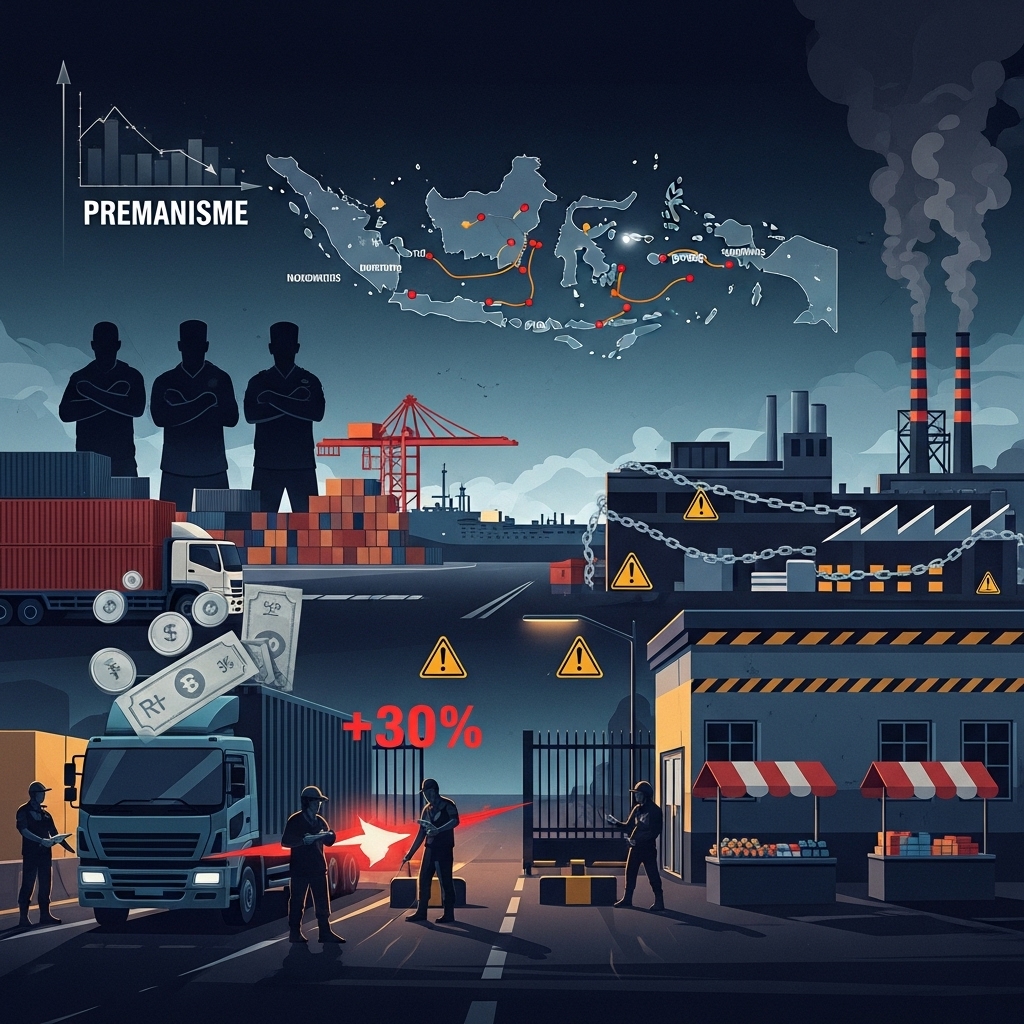
Premanisme acts as a "shadow tax" on Indonesia's economy, inflating costs across manufacturing, logistics, and retail by 5–30%. Local extortion is now a national investment risk disrupting billion-dollar projects.
Highlights
- • Local extortion is now a national investment risk — disrupting billion-dollar projects like the BYD EV plant in West Java.
- • Rp 16 billion/month was lost to extortion at Tanjung Priok Port alone; similar losses are replicated across key sectors and regions.
- •
- • Investors compare locations — Indonesia's "shadow costs" make it less attractive than Vietnam, Malaysia, or Thailand.
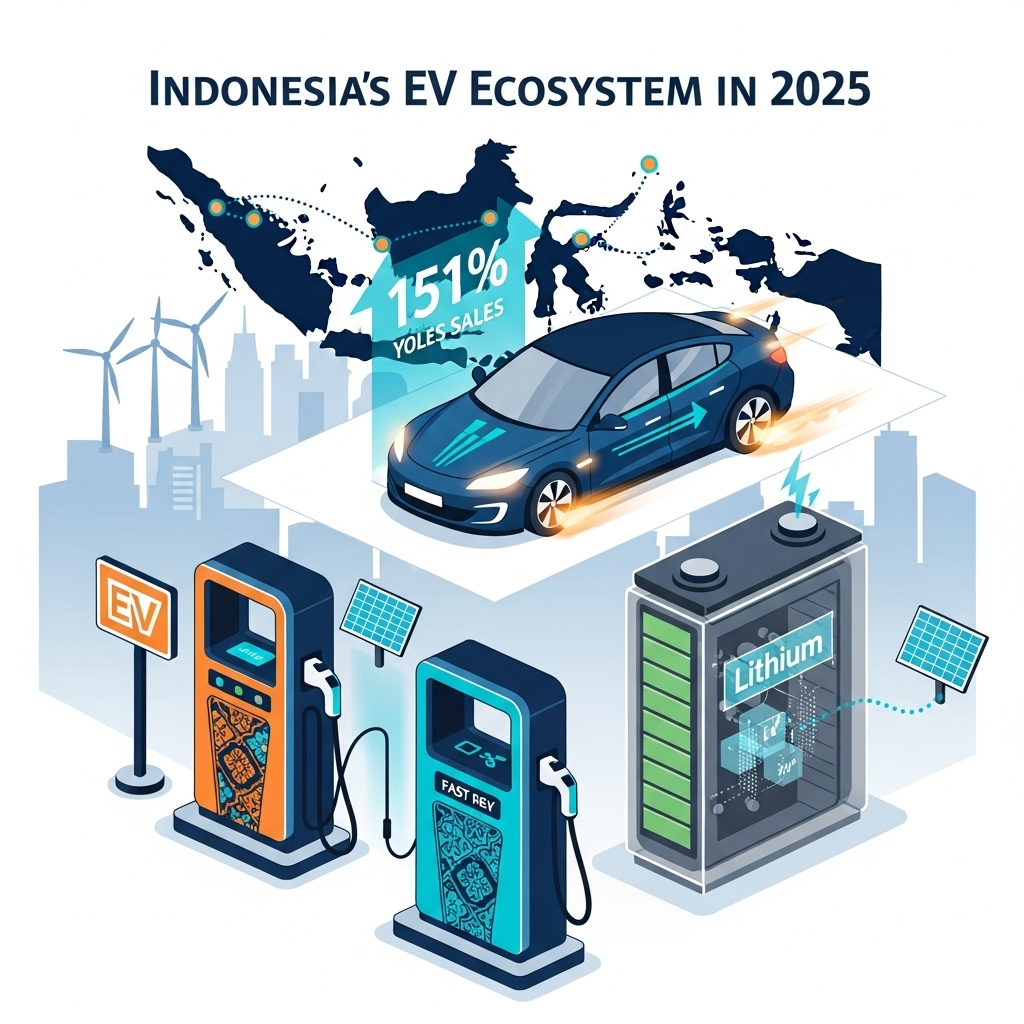
Comprehensive analysis of Indonesia's electric vehicle market growth with 151% YoY increase in BEV sales, challenges in charging infrastructure, battery technology shifts, and regional competitiveness factors.
Highlights
- • Indonesia's EV sales hit record highs in 2024, with 43,188 battery electric vehicles (BEVs) sold, a 151% increase from the previous year, yet penetration remains low at just 5% of total car sales.
- • Two-wheelers remain key to scale, with Indonesia projected to become the world's third-largest electric two-wheeler market by 2030, reaching ~2 million units annually.
- • Public charging infrastructure lags adoption: With only ~1,500 public charging stations nationwide by 2024, Indonesia targets over 63,000 by 2030. PLN and VinFast each plan tens of thousands more to support national electrification.
- • Indonesia's nickel-driven EV battery advantage is at risk, as global automakers increasingly shift to LFP (lithium iron phosphate) batteries, which don't require nickel, due to cost, safety, and supply stability.

Analysis of potential GDP reduction, job losses, and policy interventions to mitigate negative impacts on vulnerable populations.
Highlights
- • A 32% U.S. tariff would reduce Indonesian GDP by 0.3-0.5% annually in the short term, with partial recovery by 2030
- • Advanced CGE simulations project that the textile and footwear sector could lose between 250,000 and 400,000 jobs, while a broader comparative scenario analysis—including indirect and multiplier effects—suggests total losses could range from 480,000 to 650,000 jobs
- • Regional impacts are highly concentrated in West Java, Central Java, and Banten provinces
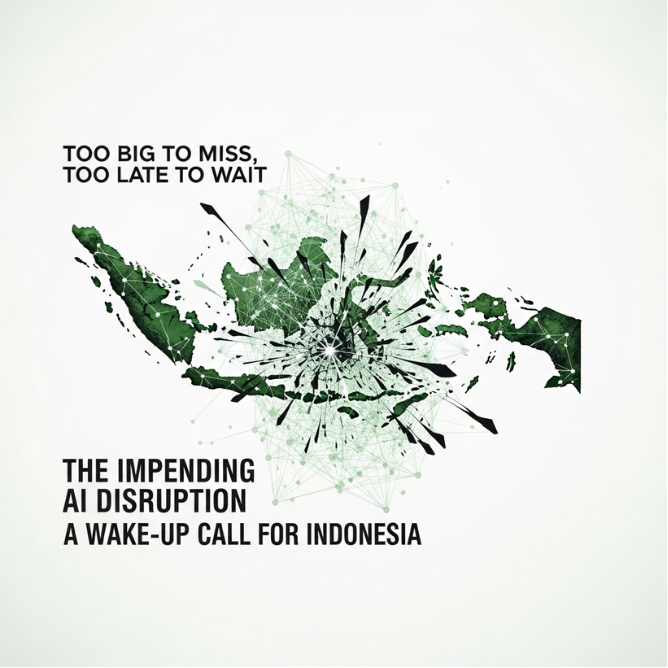
Strategic analysis of AI adoption and policy recommendations for strengthening Indonesia's position in the rapidly evolving tech landscape.
Highlights
- • Indonesia ranks 42nd globally in AI readiness, behind Singapore (2nd) and Malaysia (23rd).
- • AI to add $366B to Indonesia's economy by 2030, part of $1T regional growth and $15.7T global growth.
- • Strategic AI implementation shows 30-45% productivity gains in enabled sectors.
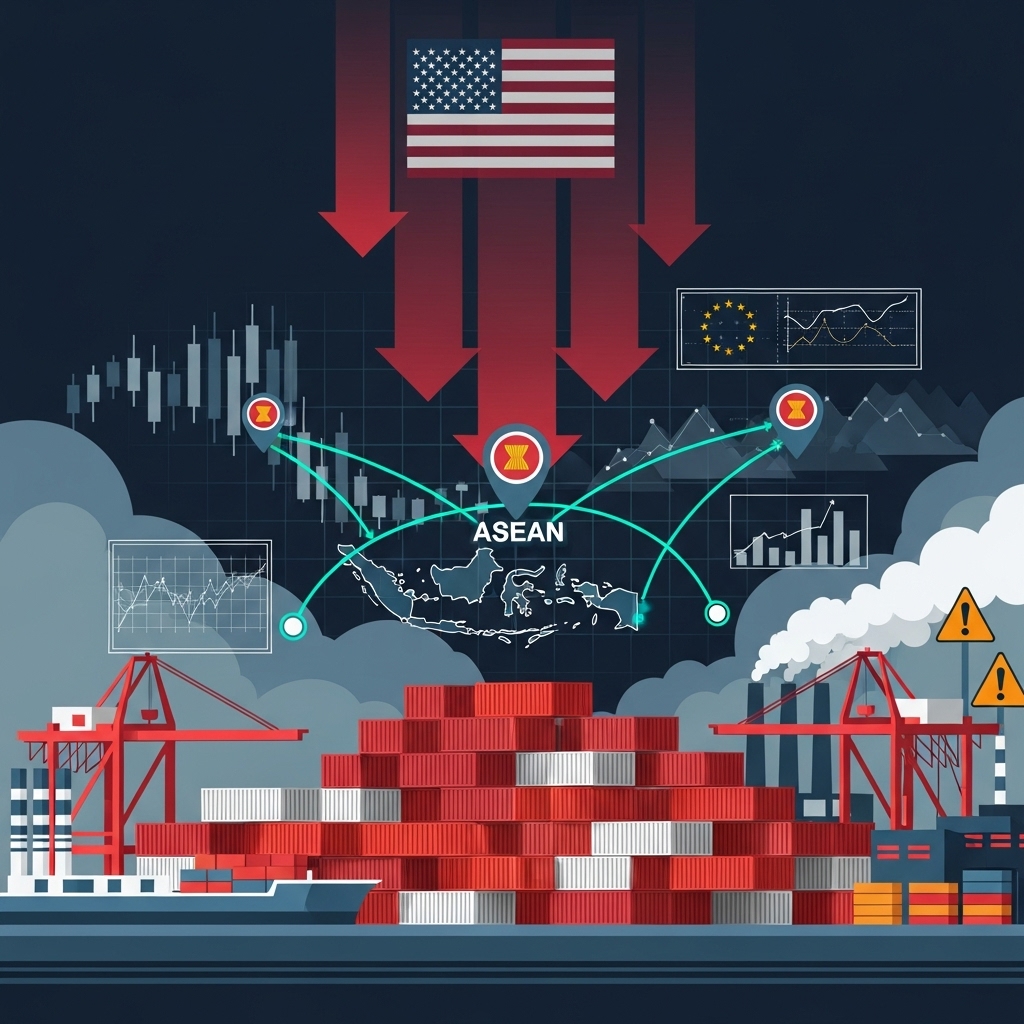
Comprehensive analysis of $27.9B US export market at risk with proposed 10-20% tariffs on imports and impact on key sectors.
Highlights
- • US slaps broad 10-20% tariffs—plus 25% on electronics and rubber—putting Indonesia squarely in the trade-war crosshairs.
- • $27.9 billion of Indonesian exports to the US, led by electronics (8.5%), palm oil (6.1%) and seafood (5.6%), are suddenly at heightened risk.
- • Rupiah tumbles to 16,578 while the Jakarta Composite Index is down 11% YTD, signalling mounting market stress from the tariff shock.
Subscribe to IBC Navigator
Get unlimited access to all our premium bulletins, including archives, data visualizations, and exclusive research.